
The History, Fit, Specs, and My Wear Experience.

Our socials:
A Brief “Moc Toe” History
In 1952, the Red Wing Shoe Company introduced the 877, an 8-inch moc toe boot. Taking inspiration from the moccasin footwear of the Native Americans, the boot was designed for outdoorsmen. Originally called the ‘Irish Setter’, the boot was great for hunting. Initially equipped with ‘Du-Flex Cush-N-Crepe’ (later, ‘Traction Tred’) wedge soles, the boot had a flat bottom with a shallow tread so that they wouldn’t cake with mud while you trekked about the wilderness. The moc toe gave more room in the toe box, both vertically and horizontally. The large panel over the forefoot allowed more flexibility than a cap toe or plain toe boot, and they broke in faster.
The boots were a hit, and in the 1960s, they gained popularity in the working world—particularly the 875, a 6-inch version of the 877. Factory, warehouse, and tradesmen all began to notice the ‘moc styles’ qualities. Being on your feet 8-12 hours a day on concrete, decking, dirt-anywhere is miserable. Having a boot with a wedge sole that evenly distributes pressure while providing full suport was a game-changer. That same sole having a greater surface area to keep you from slipping? Another winner. It wasn’t long before moc toes became a staple mongst blue-collar guys across the nation.
Over the years, both the boots and Red Wing as a company have evolved. Irish Setter eventually became its own brand, operating as a subsidiary of Red Wing. In 2007, Red Wing began manufacturing two different product lines within its own brand: Work and Heritage. The aptly named Heritage line focuses on manufacturing the way the brand did decades ago: made in the United States, with the finest materials, using traditional construction methods. There, several legacy models are still produced, as well as new models built through the classical lens. The 1907 is one of these models.
The 1907
The 1907 was first released in 2005. It was supposed to be a limited edition boot to celebrate the 100th anniversary of the company, however it became so popular that they kept it as a mainstay of the lineup.
Over the years the design has been released in multiple colorways, Although technically they have different model numbers than 1907 such as the 8883 (concrete rough and tough leather).
The 1907 is built on Red Wings No. 45 Last, which has several modern features that set it apart from older models like the 877 and 875:
- Toe box shape
- Included removable leather Insole
- split reverse storm welt
Let’s delve into these features
- The last and toe box
The 1907 sports a wider ball width, and a shorter and wider toe box. This works both stylistically and ergonomically. Many believe the shorter toe box to have a more stream-lined look, as some believe the 875/877 too appear as a “clown shoe toe”. Being less narrow, the boot is also very comfortable for long wear, especially when walking long distances or crouching.
- removable leather Insole
Of course, the 1907 has a veg tan insole with a cork layer underneath. However the boot also includes a removable leather insole. The included sole has a small layer of foam underneath which takes the edge off when standing for a long time. They are particularly great during the break in period. Over time, the removable insoles shape with the rest of the boot, conforming to your foot to become a cradle.
- split reverse storm welt
The 1907 is 360° Goodyear welted, However this welt is split-with extra material running up the body of the boot. It’s not exactly a norwegian storm welt, as the upper split is not sewn to the boot. This does add minimal water resistance but is mostly a style choice as it adds a lot of character to the boot visually
General construction
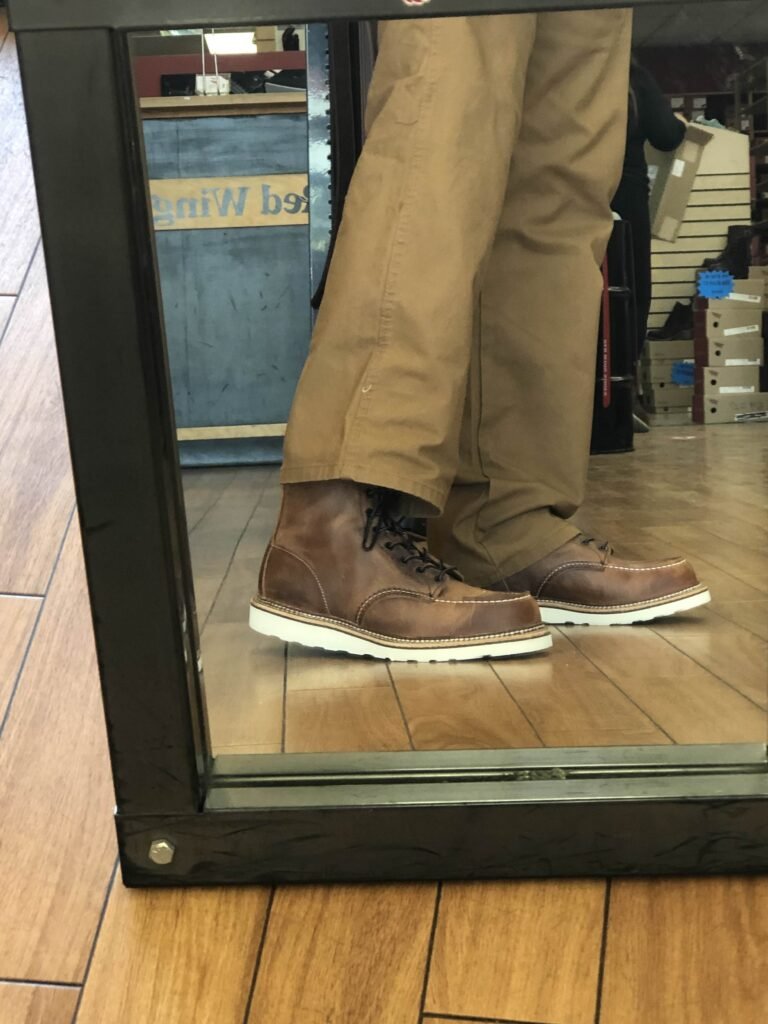
The 1907 comes in ‘Copper rough and tough’: full grain, oiled and waxed leather from S.B Foot Tanning Company in Red Wing, Minnesota. The leather comes in at 2.2mm thick (3/32″ in freedom units). Dark Gun Metal Eyelets make for a beautiful patina as they age. Puritan Triple-Stitching Is a marker of their long-lasting quality.The same can be said of the boots leather counter. Under the foot you can find a thick veg tan leather insole, a cork layer, a brown rubber midsole, and finally redwings traction tread outsole.
To top it all off, the boots are made here in the U.S.A.
Tips for sizing and purchase
Some say they run large and recommend sizing down a half or full size from your usual size. However, I find them to fit very accurately to the Brannock device—especially considering that some of that room is taken up by the included insole. For those unfamiliar with the Brannock device, it’s the metal contraption you place your foot into to take precise measurements. I am a 10.5D on the Brannock, and that’s the size I purchased. For perspective, I typically wear an 11.5 in Nike or Vans. I’d strongly recommend going in-store to get measured and try them on if possible.
Another tip is to inspect the boots carefully before leaving the store. They are well made by skilled craftsmen; however, occasional inconsistencies can still happen. Not necessarily anything that affects durability or longevity—maybe the welt on one boot sits slightly differently than the other, or a single stitch is off-center. If you’re like me, you may notice that stitch every time you look down and be driven crazy by the asymmetry.
You can only return the boots if there are no signs of wear. Because of that, inspect them thoroughly and wear them around the house a few times to ensure the sizing is right. Once you’re satisfied, you can confidently commit to wearing them out in the real world.
My experience with the 1907.
I have two pairs of the 1907: one for work, and one for everything else.
I got my first pair in August of 2021, when we lost our home in a wildfire here in Southern California. I knew how much work lay ahead of us—we were going to handle the cleanup of our four-acre property ourselves. There were cars, boats, trailers, tractors, sheds, containers, and even a school bus to cut up, clean out, and haul to the scrapyard and dump. I was at work when the fire came and never got to return home. The only clothing I had was what I was wearing. The things I bought next had to last and do their job well. So the very next day, I went to the Red Wing store.
I knew the 1907 was a Heritage model, but I believed the boots were built well enough to handle hard work. Growing up, my dad was a general contractor, and he always wore 875 Red Wing moc toes. My dad was—and still is—Superman to me, and I wanted to be like him. I chose the 1907 over the 875 because of the additional features I mentioned earlier, and I believe it was the right decision at the time.
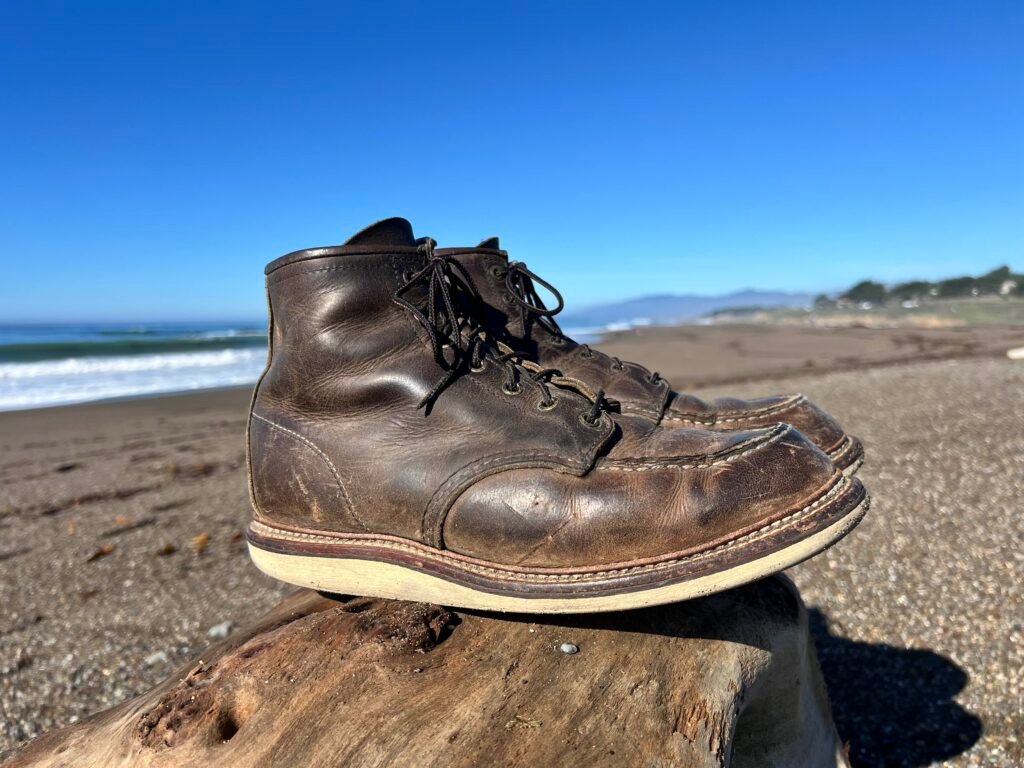
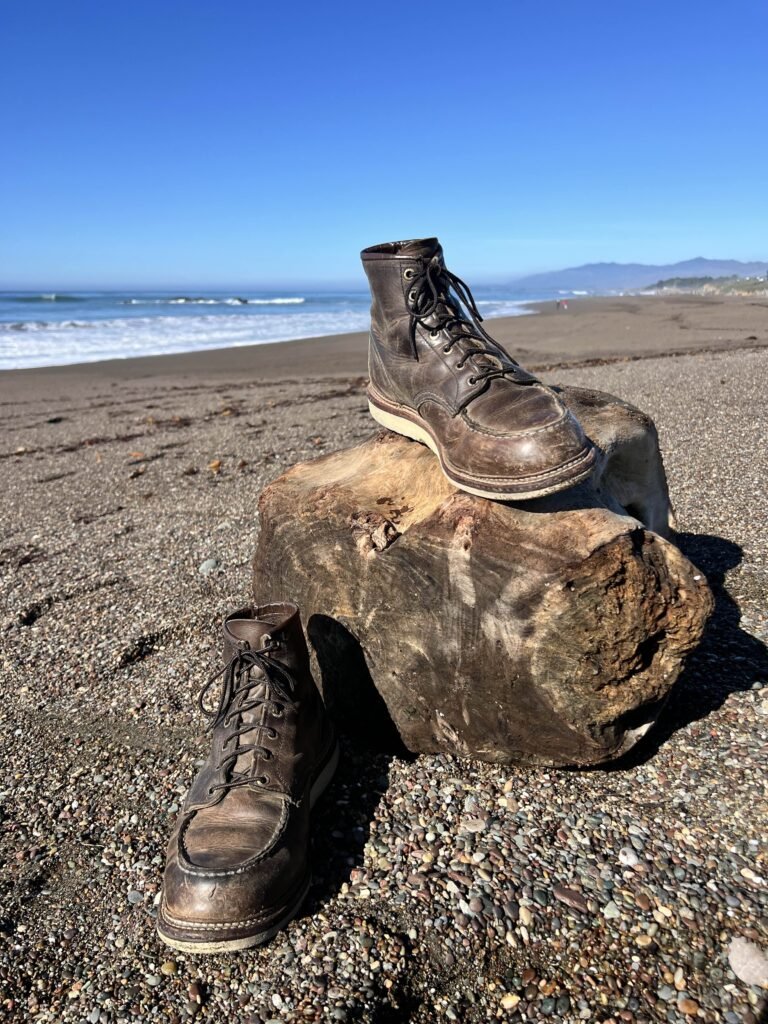
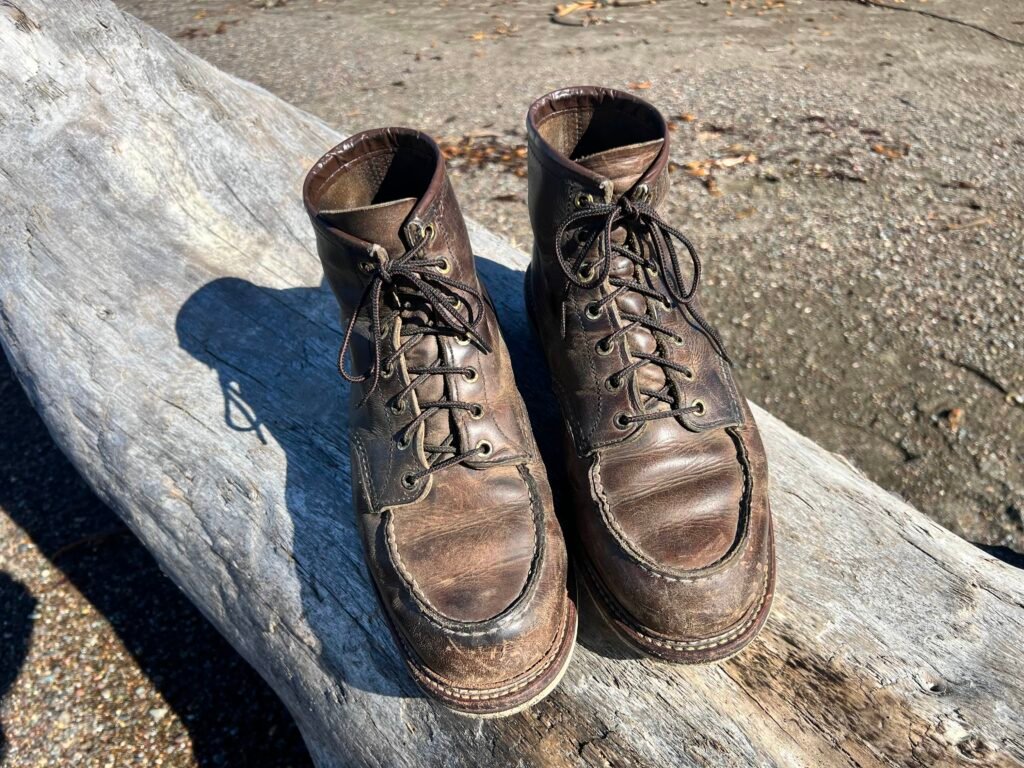
My 1907s have been with me through the thick of it all: ash, mud, and whatever else lay ahead. They’ve changed color countless times from the sheer amount of work they’ve endured, and they have the battle scars to prove it—burns from welding slag, cuts from wading through piles of rubble, deep creases from the hours spent on my knees.
After all these years, the boots have become like a glove. They fit as if they were made bespoke for me. The veg-tan footbed has formed pockets for each toe, the ball of my foot, and my heel. They are far more comfortable than any pair of sneakers I’ve ever worn.
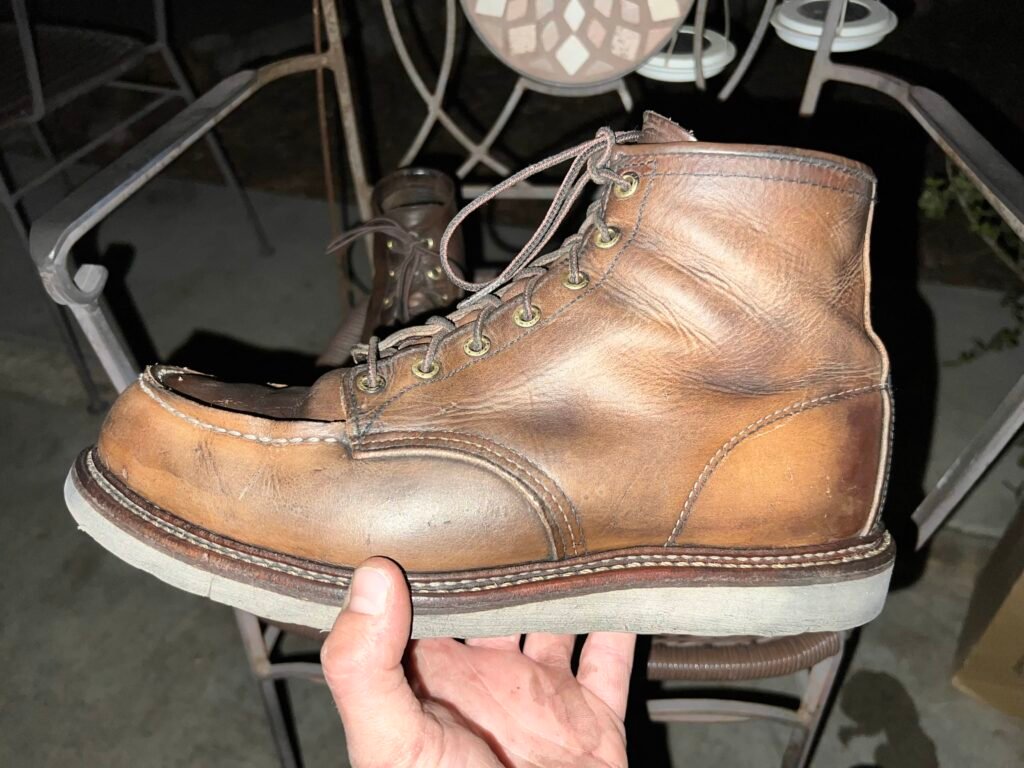
I knew quickly that these boots were going to be good, so I bought another pair in December of 2021. This pair was for more casual use. They’ve seen extensive mileage as well: California, Arizona, New Mexico, Washington, Alaska, and Japan. I’ve worn them through cities, forests, beaches—pretty much everywhere. They’re comfortable to wear all day in nearly any environment. Not too hot in the summer, not too cold in the winter—I wear them anywhere, anytime.
The boots are an initial investment, for sure, but one that pays for itself quickly when you consider cost per wear. Because they can be resoled so easily and affordably, they can last many years—if not decades—with proper care.
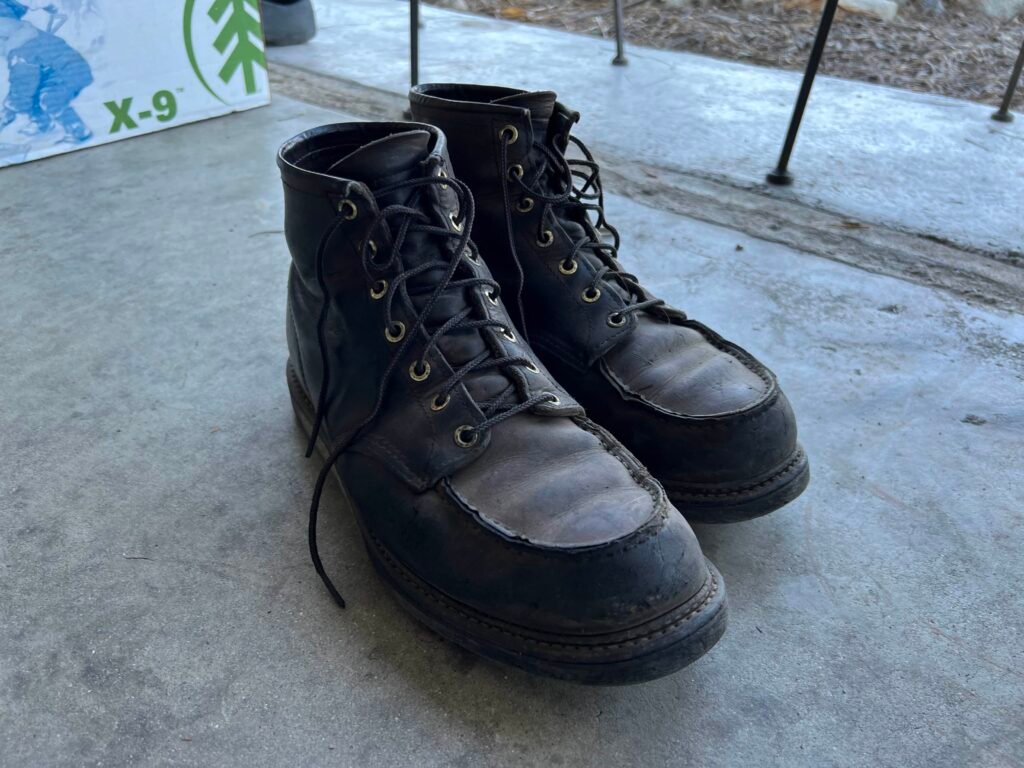
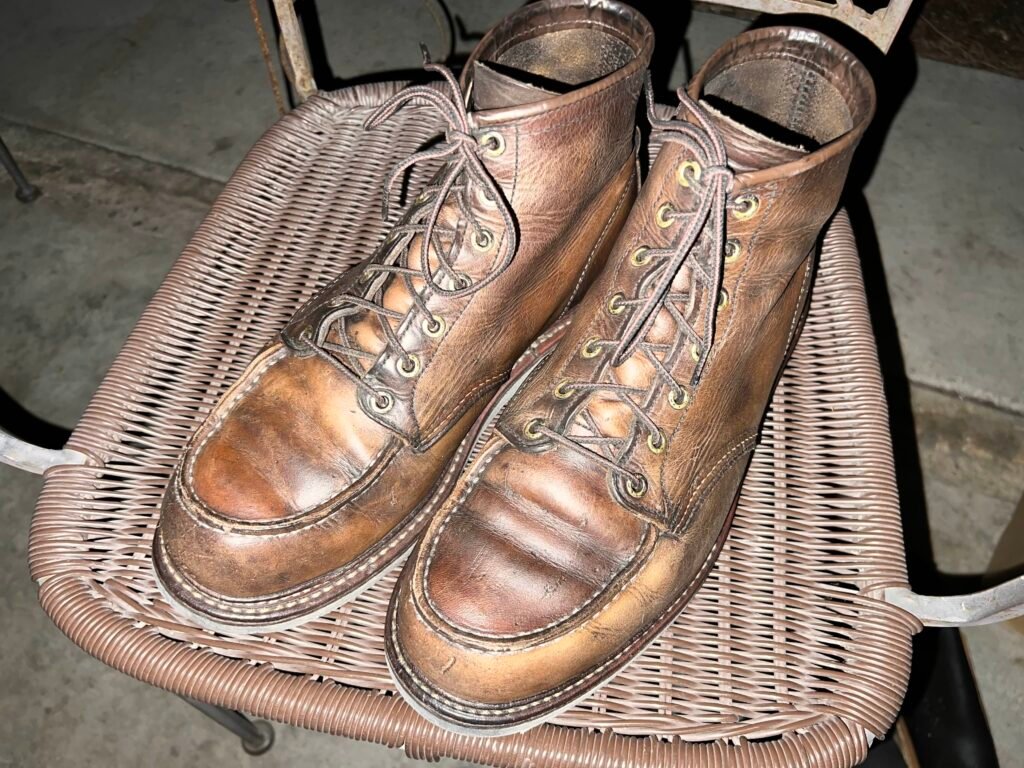
As for maintenance, I brush them regularly to keep debris out of the stitching, which can act as an abrasive as it builds up. I condition them as needed (usually once a season) with Bick 4 to keep the leather supple. When required, I use Fiebing’s saddle soap to deep clean before conditioning. This simple routine keeps them wearing as well as possible.
I can’t recommend these boots enough. They’ve proven themselves to be a solid investment and stand as a testament to their heritage.
Check them out
View on amazon
As an Amazon Associate, we may earn commissions from qualifying purchases.